
There’s a particular hum you only catch in the high-limit rooms of Crown Melbourne late on a Saturday arvo, when the chips sound less like currency and more like rainfall on a tin roof. The punters at those tables usually arrived with a plan, a budget, and a quiet nerve that grew from years of regular play. Most of them are chasing the same thing: blackjack with high betting limits, where a single hand can swing more than a weekly wage. That appetite is what separates the casual Friday crowd from the serious money at the felt, and it shapes everything from table minimums to the etiquette dealers expect from you.
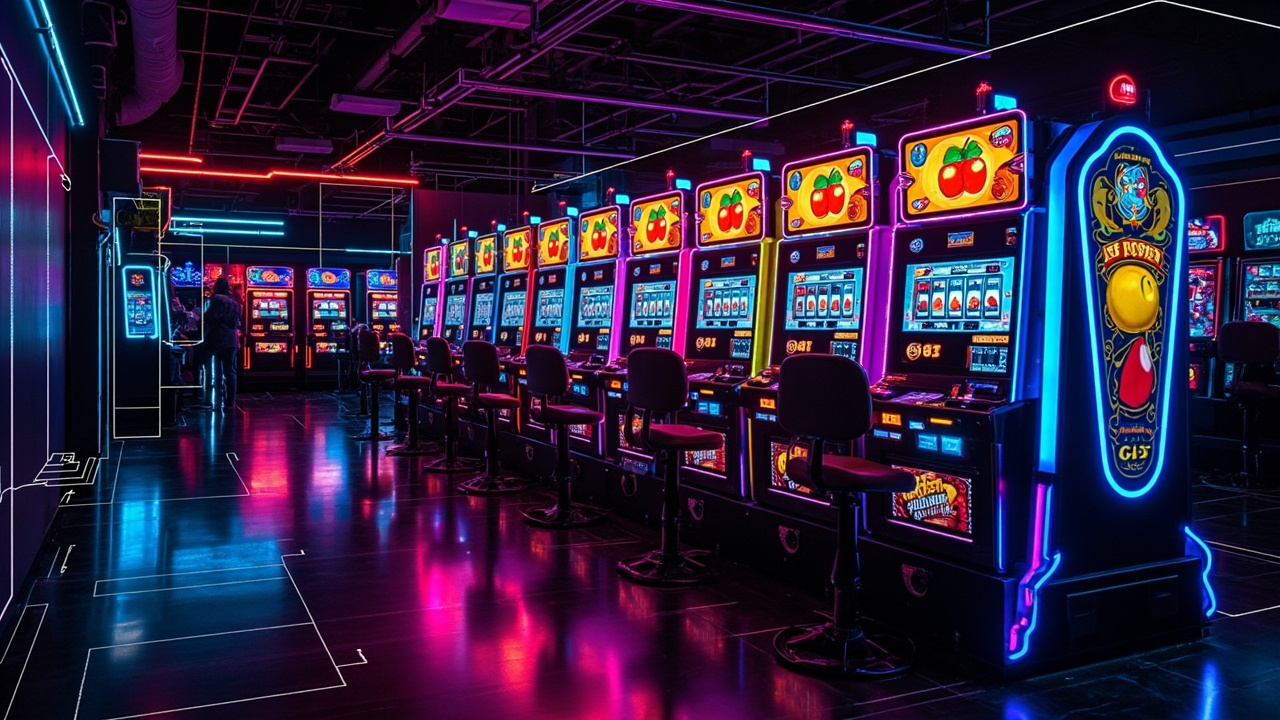
Stepping into a high-limit area feels different before any cards are dealt. The lighting tends to drop a notch, the carpets thicken underfoot, and the usual bustle of the main floor fades behind heavy felt doors. Outback Gaming Research breaks its audience into segments, and Digital Acquisition Director Cameron Morris has said, in his notes on player behaviour, that “high-stakes blackjack customers spend three times longer evaluating a venue before they sit down, because the cost of a bad table is genuinely personal.” That hesitation is healthy. Reckon it’s also why the smarter rooms in Melbourne’s casino precincts now list their table limits online before you bother with the drive.
Here is the practical walkthrough most seasoned players follow before they commit a cent:
When you settle in for the first shoe, defo take ten minutes just watching the rhythm. Baccarat tables down the corridor will be busy as ever, but a high-limit blackjack layout rewards patience. A single-deck variant with a tempting 6:5 payout, for instance, often carries hidden rules that raise the house edge by more than a full percent, and many locals only clock that after they’ve lost the first buy-in. Pony up enough to cover at least twenty hands, and the game starts to show you what it actually is.
Australian high-stakes players keep a wary eye on offshore rooms that advertise six-figure hand limits, but no serious venue inside the country can legally offer casino play under a domestic licence, so the genuine action stays in regulated clubs or in international trips. That makes Melbourne’s integrated resorts the practical ceiling for most adults in the market, and those tables max out well below what a James-bonded marketing email might promise overseas. Still, the daily mood of the room, the speed of the shoe, and the calibre of the dealer’s shuffles matter more than the headline figure on the door.
Switching from classic twenty-one to Pontoon changes the vocabulary as much as the math. In Pontoon, “twist” means hit and “stick” means stand, which sounds like slang until the dealer calls it across the felt on back-to-back hands. High-limit Pontoon is rarer than its American cousin, but the rooms that run it tend to be quieter, with sharper players and slower shoes, and the difference shows up in the first hour of play. Cameron Morris, in a recent Outback Gaming Research briefing, added that “Australian players over thirty prefer Pontoon at higher limits because the terminology matches their years at the table.” That anecdotal preference tracks with what floor staff quietly confirm about repeat customers on Flinders Street.
If you’re weighing this kind of play against lighter alternatives, a quick scan of high-roller casino comparisons gives you a useful side-by-side on table maxes, payout structures, and the kind of bankroll each venue expects you to walk in with.
Bankroll discipline is the unglamorous half of high-limit blackjack. Professionals talk in units, not dollars, with one unit usually fixed at one percent of the working session total. At a $10,000-a-hand maximum, a 100-unit bankroll is the kind of figure Kerry Packer once deployed across a single Vegas weekend, and his high-stakes gambling made global headlines in Las Vegas and London precisely because the discipline matched the stakes. No worries if your budget is smaller – the unit rule scales, which is the whole point.
The rules sheet matters more than the marketing brochure ever will. Soft 17, surrender late, double after split, and the number of decks in play will quietly swing expected return by half a percent either way. Two of those tweaks in your favour, paired with a single-deck layout that isn’t hiding restrictive clauses, will out-perform any welcome bonus the cashier might wave at you on the way in. Read the printed card, ask the dealer to clarify anything vague, and don’t sit down until the math matches the mood of the room.
Choosing where to spend those hours is its own decision, and a current look at spin samurai review options can sharpen that call for players comparing side venues alongside the Melbourne integrated resorts.

Step back from the felt with your session plan still intact, the rules committed to memory, and the room’s tempo logged for next time. High-limit blackjack rewards the player who treats the first hour as reconnaissance, the second as confirmation, and the third as the only one that actually costs real money. Treat the bankroll like Packer treated his – like it owes you nothing – and the high-limit room stops feeling like a stage and starts feeling like a job done well.

